

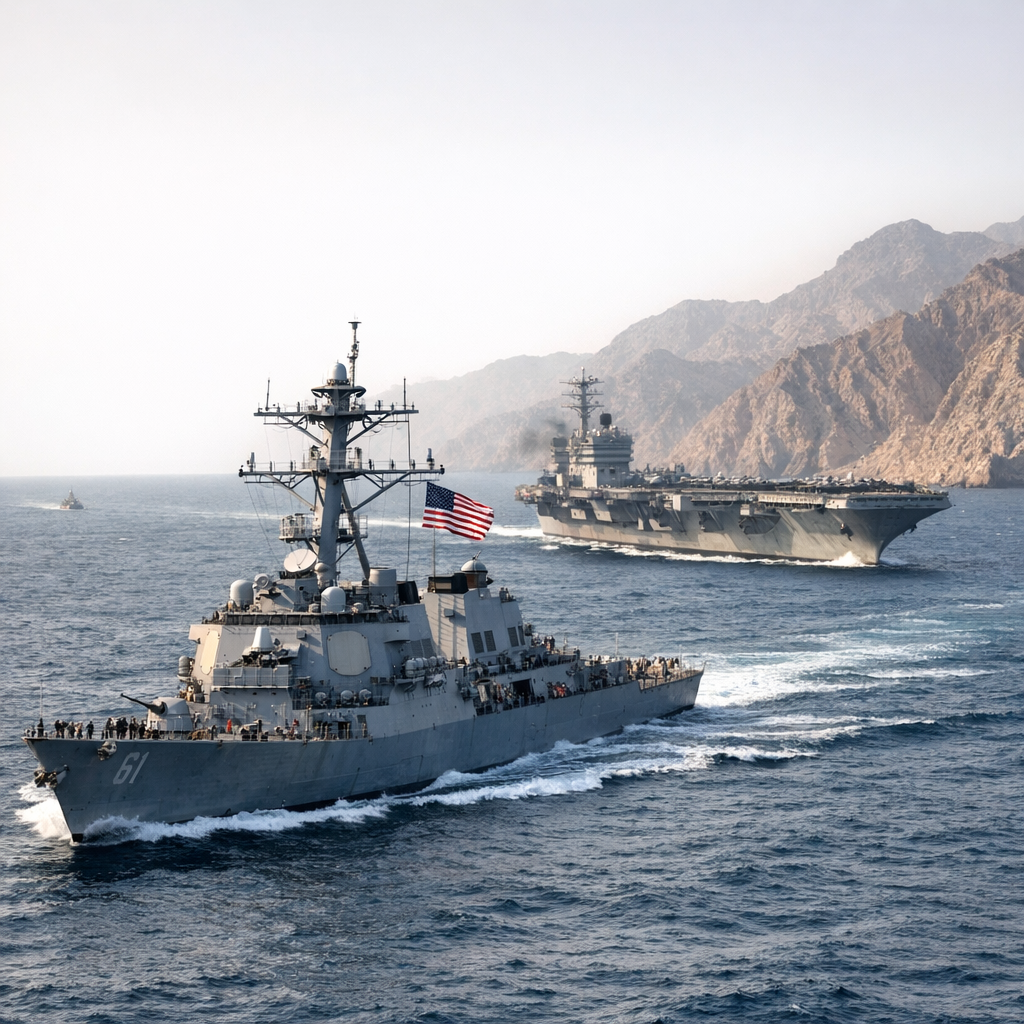
Recent developments in the Strait of Hormuz have once again brought U.S.-Iran relations into the global spotlight. The strategic waterway, through which a significant portion of the world’s oil passes, has been the scene of escalating tensions between the two nations.
Background of the Conflict
Reports indicate that the United States and Iran were nearing an agreement to end hostilities. However, this week saw the first deadly military clash over the Strait of Hormuz since a ceasefire was reached in early April. The U.S. launched ‘Project Freedom,’ deploying guided-missile destroyers, over 100 aircraft, and 15,000 service members to ensure safe navigation through the strait. Iran views the Strait of Hormuz as a critical strategic asset, and the recent U.S. actions have been perceived as a containment strategy aimed at pressuring Iran into concessions.
Implications for Global Oil Markets
The Strait of Hormuz is a vital chokepoint for global oil transportation. Any disruption in this region can lead to significant fluctuations in oil prices, affecting economies worldwide. The recent clashes have heightened concerns over the stability of oil supplies, with potential ripple effects on global markets.
Prospects for Peace
While both nations have expressed a desire for diplomatic solutions, the deep-seated mistrust and recent military engagements complicate the path to peace. Analysts suggest that the current tensions may be tactical moves by both sides to strengthen their positions in negotiations. However, the risk of renewed conflict remains high, casting a shadow over the prospects for lasting peace in the region.
As residents of Jacksonville, Florida, it’s essential to stay informed about international developments that can have local economic implications. The situation in the Strait of Hormuz serves as a reminder of the interconnectedness of global events and their potential impact on our daily lives.